

Humbucker Clarity Pickups Range
The humbucker pickup became a staple by the late 1950s, largely thanks to its hum-free operation and fuller sound compared to single-coils. With its two out-of-phase coils wired in series, it cancels interference and produces a denser, warmer tone with higher output. Musicians like Slash, Jimmy Page and Carlos Santana have made it their sonic signature. It's a pickup that thrives on overdriven tones, holds clarity in the lower registers, and adds body to both lead and rhythm playing.
-
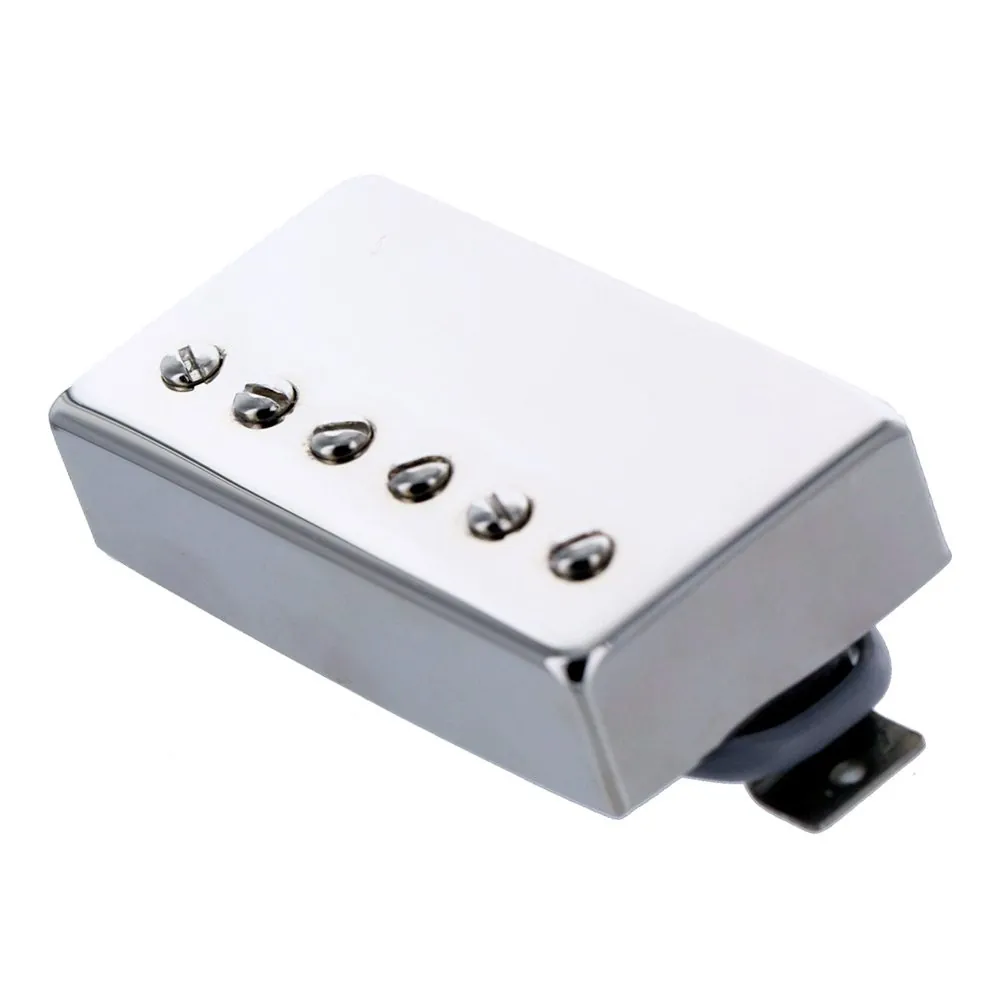
Humbucker Guitar Pickup ClearTone
The ClearTone Humbucker is designed specifically for the neck position of Les Paul and SG-style guitars. Clearer than a traditional humbucker, it delivers definition and clarity without sacrificing the warm character these guitars are known for.
-
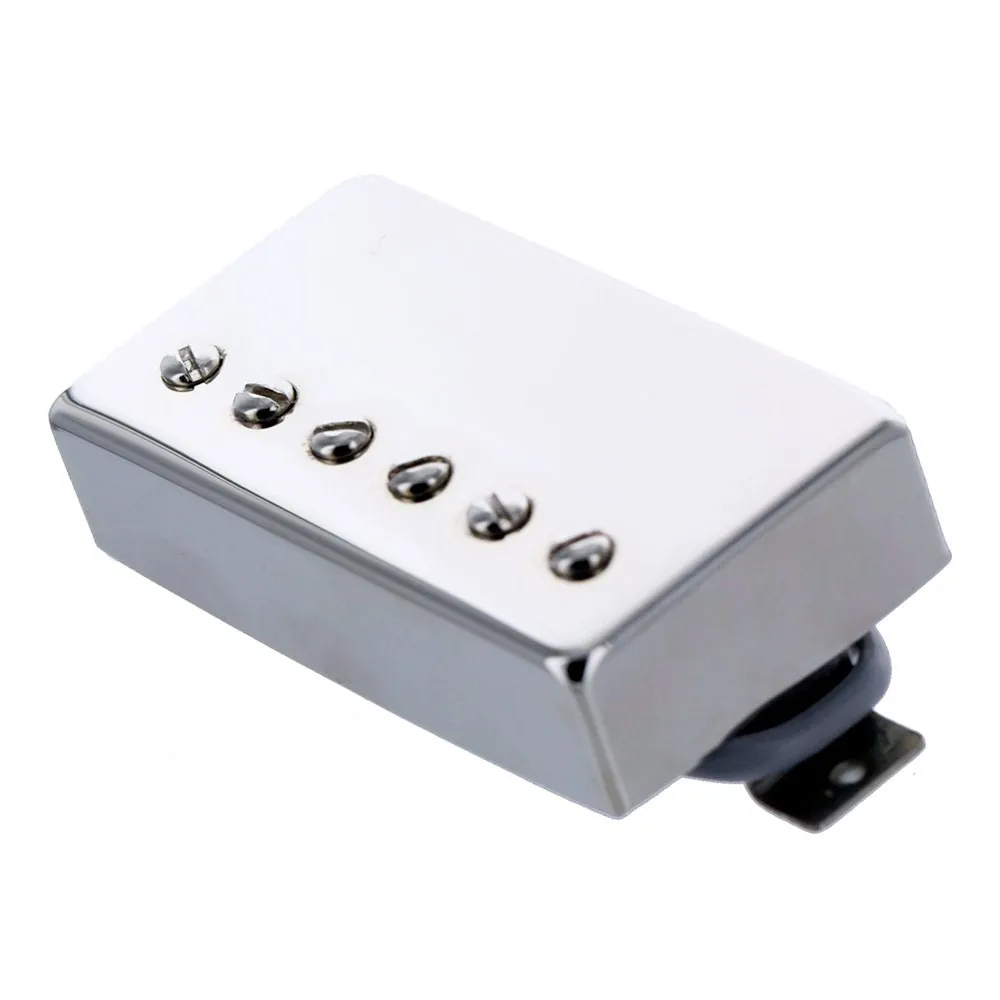
Humbucker Guitar Pickup Heavy 80's
A Clarity Humbucker pickup built for Hard Rock and Heavy '80s. A powerful pickup, rich in upper mids, designed for those who want a lively & expressive tone even under heavy saturation.
History and Evolution of Humbucker Pickups
1955–1957 – The Invention of the Humbucker
In 1955, Seth Lover, an engineer at Gibson, designed a double-coil pickup intended to eliminate the background hum typical of Fender single-coils. Patented in 1957 under the name "Patent Applied For" (PAF), this pickup uses two coils wired in opposite phase and polarity, effectively "bucking the hum." The first models featured Alnico II or III magnets and hand-wound Plain Enamel wire, producing a warm, balanced and harmonically rich tone that became the standard of rock.
The '60s – The Evolution of the PAF
Around 1961–1962, the PAF became the Patent Number (no. 2,737,842) once the patent was officially granted. Magnets varied between Alnico II, III, IV and V depending on availability, leading to notable tonal differences from one unit to the next. Windings were made on semi-manual machines (Leesona, Geo. Stevens) where the operator guided the wire without an automatic counter. This method produced variable tension and a naturally irregular winding pattern — the origin of the famous "scatter" character of original PAFs. These pickups were fitted on the Les Paul Standard and ES-335 of the era, among others.
The '70s – Industrialization and Decline
After the temporary discontinuation of Les Paul production in the late '60s, Gibson brought the model back in the early '70s with pickups now wound by machine. The random scatter character disappeared, values became more consistent, but the tone lost some of its complexity. Alnico V became the standard magnet, and some models even adopted ceramic magnets for more output. The result was a harder, more mid-forward sound, typical of '70s rock.
The '80s – The Revival
The resurgence of vintage guitars breathed new life into original PAFs. Craftsmen like Tim Shaw at Gibson redeveloped the "Shaw PAF" pickups, closer in spec to the '50s originals. At the same time, independent makers such as Seymour Duncan and DiMarzio emerged with their own takes: more windings, Alnico V or ceramic magnets, and a more powerful sound suited to high-gain amps.
The '90s – Custom Shop and Reissues
With the success of the Gibson Custom Shop, the brand relaunched accurate reissues of the original PAFs: Plain Enamel wire, Alnico II or III magnets, and hand winding with variable tension. Many boutique makers (Van Zandt, Lollar, Bare Knuckle, Fralin, etc.) drew on these specifications in pursuit of the organic, nuanced tone of the earliest models.
Today – Tradition and Innovation
Modern humbuckers fall into two broad families: vintage-correct models faithful to the original PAFs, and high-output designs aimed at high-gain tones. Makers and craftsmen explore various combinations of Alnico II, III, IV, V or ceramic magnets, sometimes paired with specific wire types (Plain Enamel, Poly-Nylon). The humbucker remains an enduring standard, a symbol of power and warmth, still at the heart of the Gibson sound and its many handcrafted interpretations.